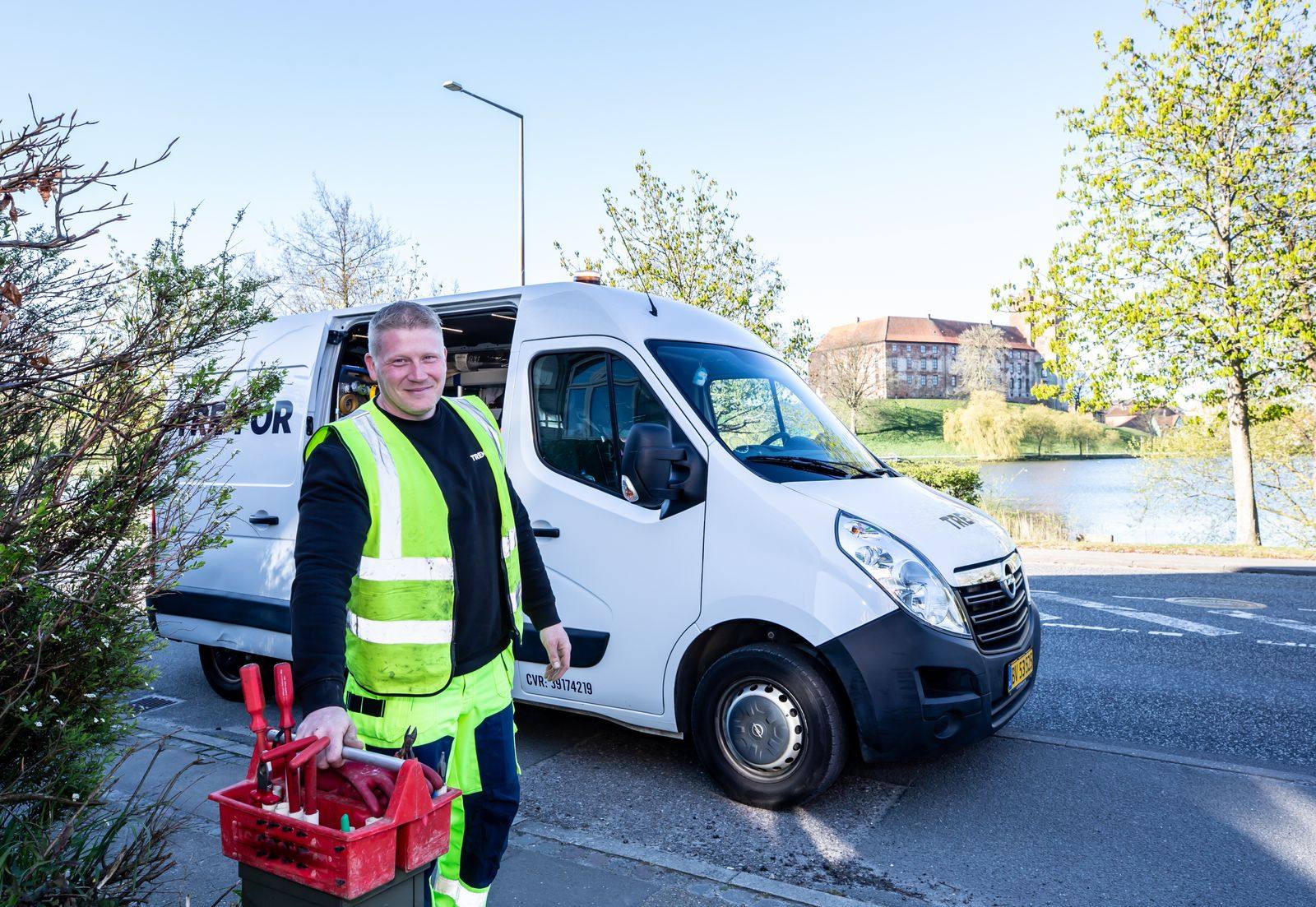
Most water heater trouble can wait for a scheduled visit. A few situations cannot, and telling them apart protects both your home and your family. A tank that has split along a seam does not stop after emptying its own capacity, because the cold supply keeps pushing fresh water in, so an unattended leak can move hundreds of gallons into flooring, drywall, and the rooms below. A temperature and pressure relief valve that keeps discharging is telling you that pressure or heat inside the tank has gone past its safe limit. Water at the faucet hot enough to scald usually points to a thermostat or gas control that has failed on the hot side. And any smell of gas near the heater is a safety event first and a repair second. In Poinciana, FL, these are the calls we treat as genuine emergencies.
Before anything else, rule out gas. A rotten-egg odor near the heater means everyone leaves the house, nobody operates switches or appliances on the way out, and the call goes to your gas utility or 911 from a safe distance. If there is no gas smell, turn to the water: close the cold supply valve at the top of the heater, or the main shutoff if the heater valve is seized. Next, cut the energy to the unit, turning a gas control to OFF or switching off the dedicated breaker on an electric model, as long as you are standing on dry ground. Leave the relief valve alone if it is discharging. Plugging it removes the last safeguard against a tank that is overheating. Once things are isolated, call (407) 674-3947 for help.
A calm voice on the phone helps more than people expect. When you call (407) 674-3947, we help you confirm the water and energy are off, suggest what to move out of the water's path, and dispatch a technician as fast as the day allows, with a straight answer about timing. On arrival, the priorities are safety, diagnosis, and a clear explanation. Worn relief valves, weeping drain valves, rotted dielectric fittings, dead thermocouples, and failed elements are all common emergency causes, and we stock them so the fix rarely waits on an order. A tank that has corroded through is the exception, since nothing short of a new heater solves it, and we lay out those options honestly. Keep (407) 674-3947 handy so you have it before you need it in Poinciana.
Our most requested service is Water Heater Repair in Poinciana. Start there if you're not sure what you need.
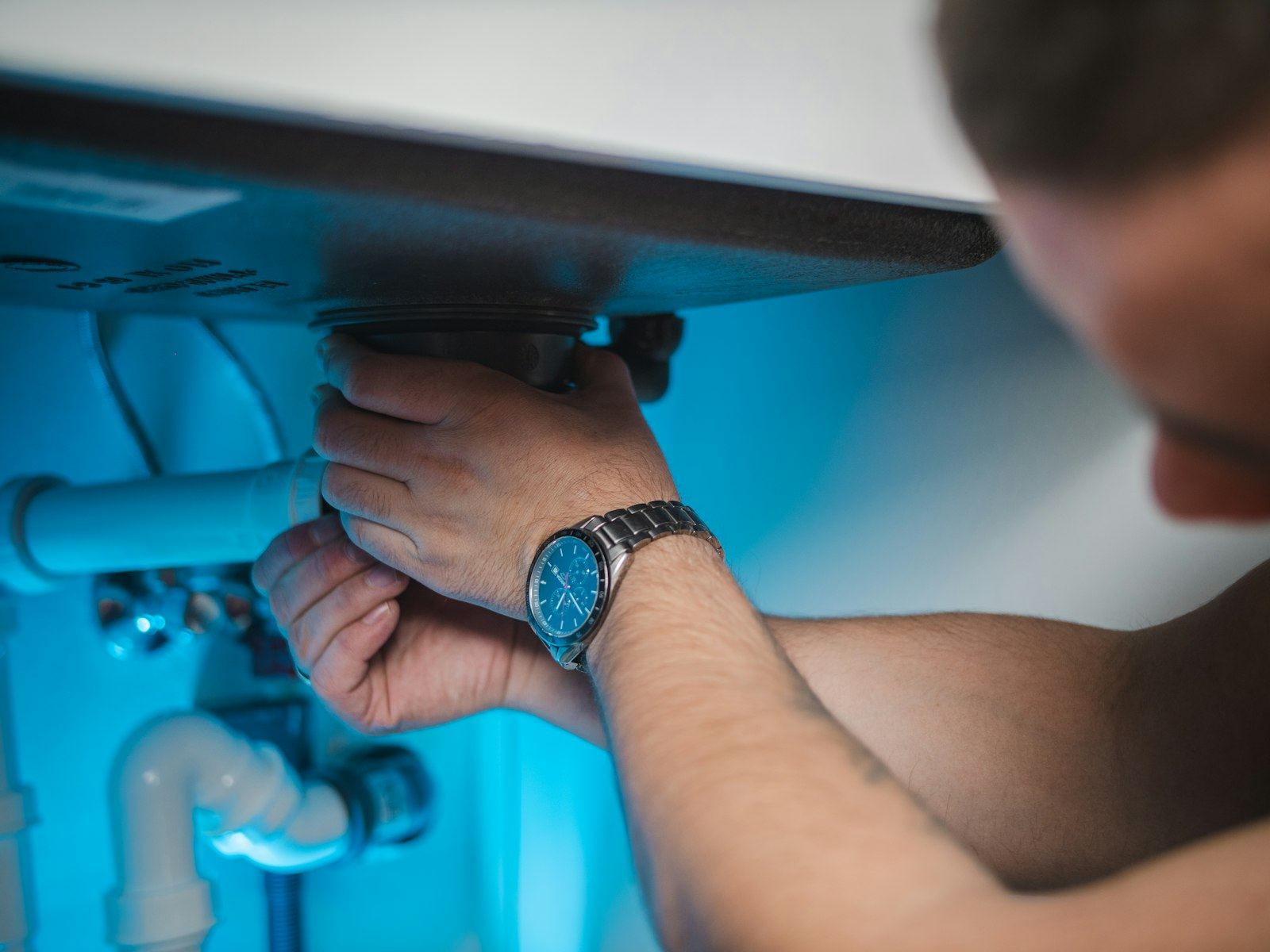
How to Tell Something Is Wrong
A heater that is starting to struggle rarely hides it for long, and the clues are easy to spot once you know them. These are the red flags our technicians see most often before a breakdown:
- The relief valve on the side of the tank dripping, hissing, or discharging
- A heater breaker that will not stay on after being reset
- Water at the tap that is suddenly scalding hot
- Sudden loud knocking or boiling sounds coming from inside the tank
- The smell of gas near the unit, a situation that calls for evacuating and phoning the utility or 911
- Scorch marks, soot, or flames rolling out near the burner access on a gas unit
- Standing water around the water heater that returns after you wipe it up
- A complete loss of hot water throughout the house
Don't Wait for a Total Failure
Tanks rarely fail all at once. They corrode from the inside for months, and the warning signs show up long before the floor gets wet. A quick call to (407) 674-3947 gets a technician out to check it before it becomes an emergency.
Need Help With Emergency Water Heater Repair?
Call Poinciana Water Heater for fast, reliable service.
Get Help: (407) 674-3947What Homeowners Ask Us Most
Why This Job Calls for a Pro
It is tempting to treat a leaking or dead water heater as a quick fix. In reality, you may be dealing with standing water beside 240-volt wiring, a gas supply and open burner a few inches from a puddle, and a tank of very hot water under pressure. The relief valve, if it is firing, is the final line of defense between an overheated tank and a violent failure, and plugging it is one of the most dangerous things anyone can do to a heater. Relighting a pilot while gas lingers, or forcing a rusted connection, can make things much worse. Evacuate for gas, isolate, then phone is the right sequence for anyone without the tools and training.
Professional help is not just about having wrenches. It is about knowing why the failure happened so it does not repeat a few weeks later. When a relief valve discharges, we measure static water pressure and look for a missing or failed expansion tank. When a tank floods the floor, we locate the true source, whether it is the valve, a fitting, a connector, or the tank wall. When a gas heater dies, we check thermocouple or flame sensor signal, gas pressure, and venting before restarting it. The diagnosis determines everything that follows. Components can be replaced the same visit; a failed tank cannot be patched, and we say so plainly and explain the replacement path.
From Your Call to Hot Water
We work through a clear, repeatable process so you always know what's happening and what it will cost. Here's what you can expect when you choose Poinciana Water Heater:
Make It Safe by Phone
The first step happens before we arrive. We rule out a gas smell with you, walk you through the water shutoff and the gas control or breaker, and help limit the spread of water.
Secure the Area
You get a straight answer on timing, not a promise we cannot keep. Once on site, we check the shutoffs, the gas or electrical supply, and the vent before touching the heater itself.
Diagnose & Repair
If a component failed, we swap it on the spot. If the tank itself is leaking, we explain why it cannot be patched and walk you through replacement options and pricing.
Test and Confirm
Before we leave, the tank is refilled and bled of air, the burner or elements are brought back online, and we confirm dry connections, a working relief valve, and a safe 120F setting.
Not Sure What You Need?
We give honest advice and upfront pricing on every job, big or small.
Tap to Call (407) 674-3947How to Prevent Water Heater Problems
Most of the failures we see could have been delayed for years with basic upkeep. Here's where to begin:
- Know where the heater shutoff and the main water valve are, and make sure everyone in the house does too
- Leave clear space around a gas heater and never store flammable liquids nearby
- A simple water sensor on the floor beside the tank can warn you hours earlier
- Drain a few gallons or flush the tank annually to keep sediment from cooking the tank floor
- Test the T&P valve annually; a valve that sticks or weeps afterward should be replaced
- A drain pan with a proper drain line under the tank can turn a flood into a manageable puddle
- Set the temperature around 120F, which protects against burns and slows tank wear
Should You DIY or Call a Pro?
A few tasks, like checking the temperature setting or lifting the relief valve lever to test it, are fine for homeowners, but most water heater work involves gas lines, venting, 240-volt circuits, or a tank full of scalding water, and that belongs with a professional. A side-by-side look:
| Factor | DIY Attempt | Hiring a Pro |
|---|---|---|
| Gas Safety | Lingering near a possible leak | Evacuate, utility clears it, then leak testing |
| Stopping the Leak | Seized valves forced until they break | Shutoffs confirmed holding before diagnosis |
| Relief Valve | Discharge silenced without finding the cause | Pressure and expansion checked, valve replaced if worn |
| Power & Water | Resetting breakers while the floor is wet | Breaker isolated and wiring checked first |
| Diagnosis | Symptom treated, source unknown | Tested, not guessed |
| Result | Temporary patch, risk of repeat flooding | Hot water back and connections proven dry |
Get Emergency Water Heater Repair Help Today
Get your hot water back before a small fault turns into a flooded floor. Poinciana Water Heater is ready to respond fast.
Tap to Call (407) 674-3947Communities We Cover
Our service area reaches well past the city limits. Choose your community for local details.